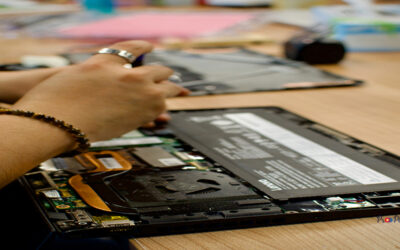
Tools You’ll Need for Success

To ensure a smooth iPhone 11 battery replacement, gather the following tools:
- Pentalobe screwdriver
- In addition to essential tools, having the right accessories can make the battery replacement process smoother. Consider using a magnetic mat to keep your screws organized, as well as protective gloves to prevent electrostatic discharge. An anti-static wrist strap can also be useful to prevent any damage to sensitive components due to static electricity.
(for iPhone) - Phillips #000 screwdriver
- Tri-point Y000 screwdriver
- Plastic opening tools or spudger
- Suction handle or cup
- Tweezers
- ESD-safe pry tool
- Replacement battery (OEM recommended)
- Adhesive strips
- Occasionally, after successive repairs, components may not fit as seamlessly as the original parts. In these cases, it is crucial to consider the replacement of components that show excessive wear or have been excessively handled. Replacement ensures that the device functions optimally and prevents potential issues during reassembly.
- The apple is not only a fruit but also the name of one of the most well-known technology companies in the world. Apple Inc. has revolutionized the way we use and perceive technology through its innovative products like the iPhone. Maintaining these devices, such as replacing a battery, requires specific steps to ensure they continue functioning effectively. The following steps outline the key parts of this process.
- Having the right tools and methods can greatly influence the ease and success of a replacement process. Whether you’re replacing an old battery or another component, ensuring the use of properly fitting tools and understanding the replacement steps can prevent unnecessary mishaps and prolong the life of your device.
for battery - Anti-static wrist strap (optional but recommended)
Having these tools ready will streamline the process and help prevent accidental damage.
The iPhone 11 relies significantly on a properly functioning battery for optimal performance. If you’re experiencing reduced battery life or abrupt shutdowns, it may be time to replace the battery. Ensure to use a genuine or certified battery replacement to maintain device safety and efficiency. Proper care of your battery, including following charging best practices, can extend its lifespan and enhance your overall user experience.
Troubleshooting potential issues during the battery replacement process is vital to ensure a smooth and successful repair. Common problems users might encounter include difficulty removing adhesive strips, reconnecting the battery improperly, or damaging the display cables. If you face any challenges, carefully reviewing each step of the process and consulting online guides or forums may help resolve the issue. Taking a methodical approach to troubleshooting can prevent further damage and ensure your iPhone 11 is back in working order efficiently.
Monitoring battery health is crucial for maintaining your iPhone’s performance over time. Regularly checking the battery’s health can help you anticipate when a replacement might be necessary. The iPhone’s settings provide a battery health feature that displays the battery’s maximum capacity and can indicate whether your current battery supports normal peak performance. Addressing battery health issues promptly ensures that your device remains reliable and efficient.
An apple a day keeps the doctor away, or so the saying goes, which might also apply to handling healthy gadgets like your iPhone. Keeping your device up-to-date with a fresh battery can ensure its peak performance and longevity, just as a balanced diet keeps you in good health.
It’s important to note that replacing your iPhone’s battery may void any existing warranty you may have with Apple or your service provider. Before proceeding with the battery replacement, you should check the terms of your warranty and consider if the repair is worth any potential risks involved. If your device is still under warranty, you might want to explore warranty service options provided by Apple or authorized service providers as an alternative to self-repair.
Adding a few accessories to your toolkit can make the repair process much more efficient. Consider investing in a magnetic project mat to keep your screws organized, and a bright LED lamp to illuminate your workspace. Protective cases for your tools can also help in maintaining them in good condition over time.
Battery replacement not only rejuvenates your device’s lifespan but also enhances the overall performance of your iPhone. Understanding the steps for a secure battery replacement process can prevent future disruptions and ensure optimal operation. It’s crucial to follow each step carefully and make use of the recommended tools and adhesives during the battery replacement. Proper disposal of the old battery is equally important to ensure environmental safety.
Step-by-Step Guide to Safely Open Your Device
- Power Down: Turn off your iPhone 11 completely.
- Remove Screws: Use the pentalobe screwdriver to remove the two screws near the charging port.
- Apply Suction: Place the suction cup just above the home button and gently pull to create a gap.
- Insert Pry Tool: Carefully slide the plastic opening tool into the gap, working around the edges to loosen the adhesive.
- Open the Device: Gently lift the display from the bottom, opening it like a book. Do not pull it off completely—there are cables attached.
Removing and Handling the Old Battery
- Disconnect the Battery: Locate the battery connector shield and remove it using the appropriate screwdriver. Disconnect the battery connector with a spudger.
- Remove Adhesive Strips: Gently pull the adhesive tabs at the base of the battery. If they break, use a plastic card to help release the battery.
- Lift the Battery: Once the adhesive is removed, carefully lift the battery out. Avoid puncturing or bending the battery.
- Dispose Properly: Place the old battery in a fireproof container and recycle it according to local regulations.
Installing the New Power Source
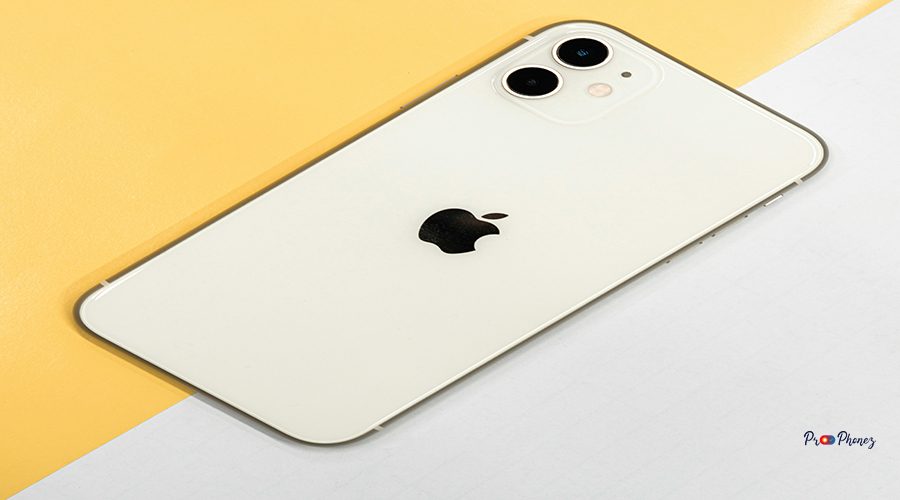
- Prepare the New Battery: Remove any protective films and align the new adhesive strips in the battery compartment.
- Install the Battery: Place the new battery in position, pressing gently to secure it.
- Reconnect the Connector: Attach the battery connector and replace the shield.
- Reassemble the Device: Align the display and press it back into place, ensuring all clips are secure. Replace the screws near the charging port.
Testing Your iPhone: Ensuring Everything Works

- Power On: Turn on your iPhone 11.
- Check Battery Status: Navigate to Settings > Battery > Battery Health to confirm the new battery is recognized.
- Test Functions: Verify that the touchscreen, Face ID, and other features work correctly.
- Charge the Device: Plug in your charger and ensure the battery charges as expected.
Tools You’ll Need for the Job
- Pentalobe screwdriver
- Phillips #000 screwdriver
- Tri-point Y000 screwdriver
- Plastic spudger
- Suction cup
- Tweezers
- Replacement battery
- Battery adhesive strips
Preparing Your Device for Battery Swap
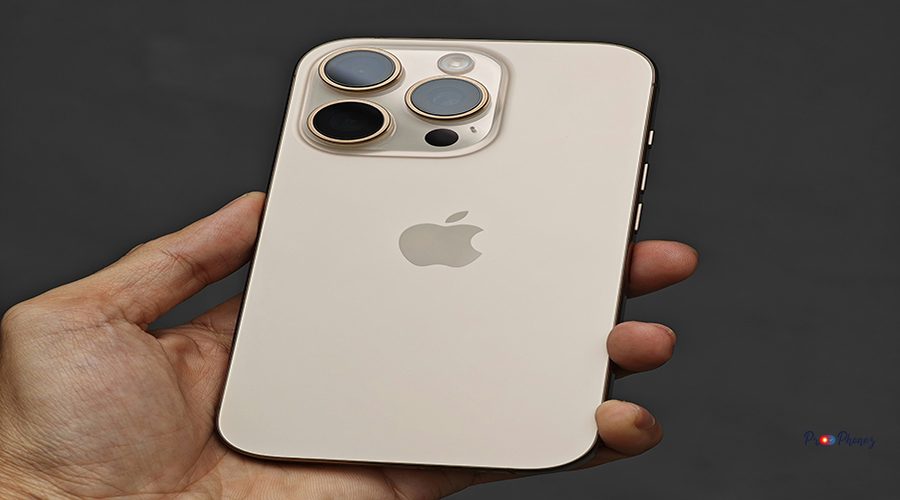
- Back Up Data: Use iCloud or iTunes to back up your iPhone.
- Power Off: Shut down your device.
- Remove SIM Card: Eject the SIM card to prevent damage.
- Clean Workspace: Ensure your work area is static-free and well-lit.
Step-by-Step Guide to Removing the Old Battery
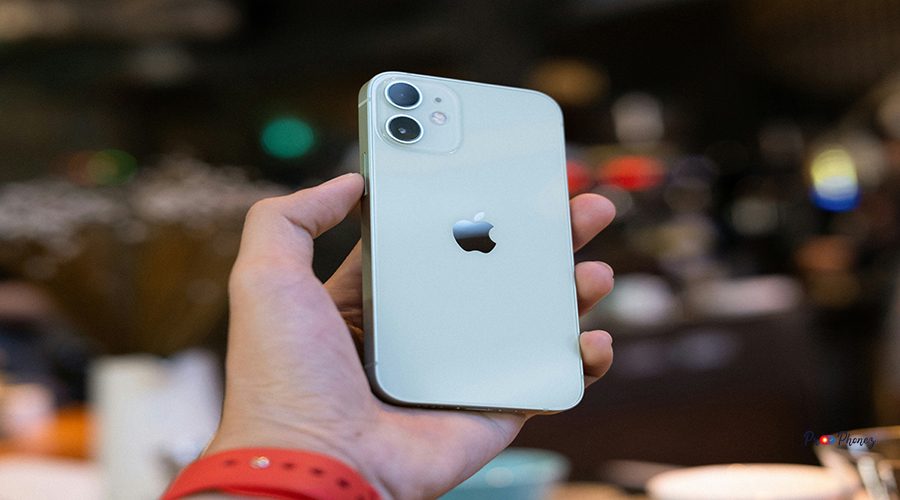
- Remove Display: Follow the steps to open your device.
- Disconnect Battery: Remove the battery connector shield and disconnect the battery.
- Remove Adhesive: Pull the adhesive strips slowly to avoid breakage.
- Extract Battery: Lift the battery out gently.
Installing the New Power Source
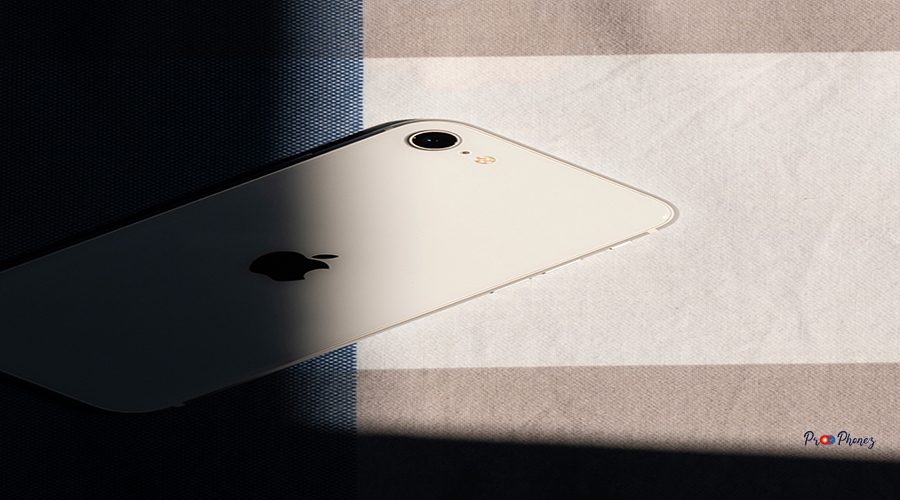
- Apply Adhesive: Place new adhesive strips in the battery compartment.
- Position Battery: Set the new battery in place.
- Reconnect: Attach the battery connector and secure the shield.
- Close Device: Reattach the display and secure all screws.
Tips for Optimizing Battery Life Post-Replacement

- Avoid extreme temperatures.
- Use official or certified chargers.
- Enable optimized battery charging in settings.
- Keep your iOS updated.
- Avoid letting the battery drain completely.
Tools You Need for the Job

- Pentalobe screwdriver
- Phillips #000 screwdriver
- Tri-point Y000 screwdriver
- Spudger
- Suction cup
- Tweezers
- Replacement battery
Step-by-Step Guide to Removing the Old Battery

- Open Device: Remove screws and use suction cup and pry tool to open the device.
- Disconnect Battery: Remove the shield and disconnect the battery.
- Remove Adhesive: Carefully pull adhesive strips.
- Lift Battery: Remove the old battery.
Installing the New Battery Safely

- Install Adhesive: Place new adhesive strips.
- Insert Battery: Position the new battery.
- Reconnect: Secure the battery connector and shield.
- Reassemble: Close the device and replace screws.
Common Mistakes to Avoid During Replacement

- Using metal tools near the battery connector.
- Puncturing or bending the battery.
- Forgetting to disconnect the battery before working.
- Not using proper adhesive.
- Rushing the process and damaging connectors.
Tips for Extending Your New Battery Life

- Charge between 20% and 80%.
- Avoid overnight charging.
- Use low power mode when needed.
- Reduce screen brightness.
- Turn off background app refresh.
Tools and Materials You'll Need
- Pentalobe screwdriver
- Phillips #000 screwdriver
- Tri-point Y000 screwdriver
- Spudger
- Suction cup
- Tweezers
- Replacement battery
- Battery adhesive strips
Preparing Your Device for Repair
- Back Up Data: Secure your information.
- Power Off: Turn off your iPhone.
- Remove SIM Card: Prevent accidental damage.
- Organize Tools: Lay out all necessary tools.
- Replacement Plan: Before starting the repair, it’s important to have a replacement plan in place for your battery. Ensure you have a compatible replacement ready and double-check its specifications against your device model.
Step-by-Step: Removing the Old Battery

- Open Device: Remove screws and open with suction cup and pry tool.
- Disconnect Battery: Remove shield and disconnect battery.
- Remove Adhesive: Pull adhesive strips gently.
- Replacing or servicing your battery is a crucial step in device maintenance. Ensure that the battery is properly disconnected before proceeding with repairs to avoid any electrical shorts or accidental damage. Once the repair is complete, confirm that the battery is reconnected securely before reassembling the device.
- Troubleshooting is an integral part of any repair process, as it allows you to identify and resolve issues that may arise during or after the battery replacement. If you encounter problems such as the device not powering on or the battery not charging properly, systematically check all connections, ensure that components are installed correctly, and refer to the device’s manual for specific troubleshooting steps. Documenting any anomalies and solutions can also aid in future repairs, improving the efficiency of the process.
- Replace Battery: Carefully remove the old battery and insert the new one, ensuring it is properly aligned and connections are secure. Make sure the battery adhesive is firmly in place for stability during device use.
- Battery replacement is an essential maintenance task that can significantly extend the lifespan of your device. By ensuring the battery is fresh and properly installed, you reduce the likelihood of experiencing power-related issues and enhance overall performance. It’s important to follow the replacement procedure carefully and to use quality components to avoid damage or personal injury.
- It’s crucial to consider your device’s warranty before performing a battery replacement. DIY replacements might void your warranty, so it’s advisable to check the terms and consult with the manufacturer or authorized service providers. This can prevent unexpected costs and ensure your device remains protected against future issues.
- Perhaps one of the most iconic devices benefiting from regular battery replacement is the iPhone. Ensuring your iPhone’s battery is in optimal condition not only boosts its performance but also prolongs its life, ensuring that you get the best out of your Apple device. Many users have found that keeping a keen eye on battery health significantly enhances their iPhone experience, providing smoother operations and more reliable daily use.
- Extract Battery: Carefully lift out the battery.
- Replacing the battery in an iPhone can be a delicate process, requiring the right tools and careful handling. By ensuring you have the appropriate screwdrivers, pry tools, and adhesive strips, you can proceed with confidence. Whether you’re dealing with a malfunctioning battery or simply upgrading, the process is quite similar to other smartphones albeit with some brand-specific intricacies.
- The iPhone 11 continues to be a reliable device for many users, known for its efficient performance and robust design. Regularly checking the battery health of the iPhone 11 under Settings helps users catch any issues early on and take necessary action to replace the battery when needed. This not only enhances device performance but also prolongs the life of your iPhone 11, ensuring you continue to enjoy seamless operations.
Installing Your New Power Source

- Apply Adhesive: Place new strips.
- Install Battery: Position and press battery into place.
- Reconnect: Attach connector and shield.
- Reassemble: Close and secure the device.
Tips for Prolonging Battery Lifespan

- Avoid high temperatures.
- Use certified chargers.
- Enable optimized charging.
- Keep software updated.
- Don’t let the battery fully discharge regularly.
Tools You Need for the Job

- Pentalobe screwdriver
- Phillips #000 screwdriver
- Tri-point Y000 screwdriver
- Spudger
- Suction cup
- Tweezers
- Replacement battery
Preparing Your Device
- Back Up Data: Use iCloud or iTunes.
- Power Off: Shut down your device.
- Remove SIM Card: Prevent damage.
- Organize Tools: Prepare your workspace.
Step-by-Step Battery Swap Instructions

- Open Device: Remove screws, use suction cup and pry tool.
- Disconnect Battery: Remove shield and disconnect battery.
- Remove Battery: Pull adhesive strips and lift out battery.
- Install New Battery: Place adhesive, position battery, reconnect, and reassemble.
Tips for Safety and Device Care

- Work on a non-conductive surface.
- Use ESD protection.
- Avoid using metal tools near the battery.
- Handle components gently.
- Double-check connections before closing.
Troubleshooting Common Issues
- Device won’t power on: Check battery connector and charge.
- Touchscreen unresponsive: Ensure display connectors are secure.
- Battery drains quickly: Calibrate by fully charging and discharging once.
- Device overheating: Inspect for damaged battery or improper installation.
Gather Your Tools and Materials
- Pentalobe screwdriver
- Phillips #000 screwdriver
- Tri-point Y000 screwdriver
- Spudger
- Suction cup
- Tweezers
- Replacement battery
- Adhesive strips
Prepare Your Device for Repair

- Back Up Data: Protect your information.
- Power Off: Turn off your iPhone.
- Remove SIM Card: Prevent accidental damage.
- Organize Tools: Set up your workspace.
- When it comes to the iPhone 11, opening the device requires extra caution due to its water resistance features. Ensure you have all the necessary tools ready and work in a clean, organized environment to prevent dust and debris from entering the phone during disassembly.
- Adding accessories such as specialized cases, clip-on lenses, or charging docks can further enhance the functionality of your iPhone. These accessories not only provide additional protection but also augment your device’s capabilities, making it more versatile for everyday use. When planning to perform maintenance on your iPhone, be sure to remove any external accessories to avoid any interference during the process.
- Maintaining optimal battery health is key to ensuring your iPhone performs efficiently over time. Regularly checking your device’s battery health can help you identify when a replacement is necessary and keep unexpected shutdowns at bay. To check the battery health on your iPhone, navigate to Settings > Battery > Battery Health. Here, you can view the maximum capacity of your battery compared to when it was new, as well as any indicated performance capabilities affected by the battery’s condition.
- Apples are not just a popular fruit known for their health benefits and versatility in recipes, but they also play a significant role in the tech industry. Apple Inc., one of the leading technology companies, has revolutionized personal electronic devices, creating a wide array of products that emphasize sleek design and user-friendly interfaces. Its innovations in smartphone technology have set benchmarks in the industry, making it a name synonymous with quality and innovation.
Step-by-Step Battery Removal Process

- Open Device: Remove screws, use suction cup and pry tool.
- Disconnect Battery: Remove shield and disconnect battery.
- Remove Adhesive: Pull adhesive strips gently.
- Extract Battery: Carefully lift out the battery.
Installing the New Battery

- Apply Adhesive: Place new strips.
- Install Battery: Position and press battery into place.
- Reconnect: Attach connector and shield.
- Reassemble: Close and secure the device.
Testing and Optimizing Your Battery Performance

- Power On: Turn on your iPhone.
- Check Battery Health: Go to Settings > Battery > Battery Health.
- Test Charging: Plug in and ensure charging works.
- Monitor Usage: Observe battery performance over the next few days.
Preparing Your Device for a Battery Swap

- Back Up Data: Use iCloud or iTunes.
- Power Off: Shut down your device.
- Remove SIM Card: Prevent damage.
- Organize Tools: Prepare your workspace.
Essential Tools for a Seamless Replacement

- Pentalobe screwdriver
- Phillips #000 screwdriver
- Tri-point Y000 screwdriver
- Spudger
- Suction cup
- Tweezers
- Replacement battery
- Adhesive strips
Step-by-Step Guide: Removing the Old Battery

- Open Device: Remove screws, use suction cup and pry tool.
- Disconnect Battery: Remove shield and disconnect battery.
- Remove Adhesive: Pull adhesive strips gently.
- Extract Battery: Carefully lift out the battery.
Installing the New Battery with Precision

- Apply Adhesive: Place new strips.
- Install Battery: Position and press battery into place.
- Reconnect: Attach connector and shield.
- Reassemble: Close and secure the device.
Final Checks to Ensure Optimal Performance

- Power On: Turn on your iPhone.
- Check Battery Health: Go to Settings > Battery > Battery Health.
- Test Charging and Features: Ensure all functions work.
- Monitor for Issues: Watch for abnormal battery drain or device heat.
Gathering Necessary Tools for the Task

- Pentalobe screwdriver
- Phillips #000 screwdriver
- Tri-point Y000 screwdriver
- Spudger
- Suction cup
- Tweezers
- Replacement battery
- Adhesive strips
Preparing Your Device for Repair
- Back Up Data: Protect your information.
- Power Off: Turn off your iPhone.
- Remove SIM Card: Prevent accidental damage.
- Organize Tools: Set up your workspace.
Step-by-Step Guide to Removing the Old Battery
- Open Device: Remove screws, use suction cup and pry tool.
- Disconnect Battery: Remove shield and disconnect battery.
- Remove Adhesive: Pull adhesive strips gently.
- Extract Battery: Carefully lift out the battery.
Installing the New Power Source

- Apply Adhesive: Place new strips.
- Install Battery: Position and press battery into place.
- Reconnect: Attach connector and shield.
- Reassemble: Close and secure the device.
Testing and Finalizing Your Repair

- Power On: Turn on your iPhone.
- Check Battery Health: Go to Settings > Battery > Battery Health.
- Test Charging: Plug in and ensure charging works.
- Monitor Performance: Observe battery performance.
Essential Tools You'll Need

- Pentalobe screwdriver
- Phillips #000 screwdriver
- Tri-point Y000 screwdriver
- Spudger
- Suction cup
- Tweezers
- Replacement battery
- Adhesive strips
Preparing Your Device for the Procedure
- Back Up Data: Use iCloud or iTunes.
- Power Off: Shut down your device.
- Remove SIM Card: Prevent damage.
- Organize Tools: Prepare your workspace.
Step-by-Step Battery Swap Instructions

- Open Device: Remove screws, use suction cup and pry tool.
- Disconnect Battery: Remove shield and disconnect battery.
- Remove Battery: Pull adhesive strips and lift out battery.
- Install New Battery: Place adhesive, position battery, reconnect, and reassemble.
Reassembling and Testing Your iPhone

- Align Display: Carefully align and press the display back into place.
- Secure Screws: Replace all screws.
- Power On: Turn on your iPhone.
- Test Functions: Ensure all features work as expected.
Tips for Maintaining Battery Health

- Avoid extreme temperatures.
- Use certified chargers.
- Enable optimized charging.
- Keep iOS updated.
- Avoid deep discharges.
Essential Tools You'll Need

- Pentalobe screwdriver
- Phillips #000 screwdriver
- Tri-point Y000 screwdriver
- Spudger
- Suction cup
- Tweezers
- Replacement battery
- Adhesive strips
Preparing Your Device for a Battery Swap
- Back Up Data: Use iCloud or iTunes.
- Power Off: Shut down your device.
- Remove SIM Card: Prevent damage.
- Organize Tools: Prepare your workspace.
Step-by-Step Replacement Guide
- Open Device: Remove screws, use suction cup and pry tool.
- Disconnect Battery: Remove shield and disconnect battery.
- Remove Battery: Pull adhesive strips and lift out battery.
- Install New Battery: Place adhesive, position battery, reconnect, and reassemble.
Testing and Troubleshooting the New Battery
- Power On: Turn on your iPhone.
- Check Battery Health: Go to Settings > Battery > Battery Health.
- Test Charging: Plug in and ensure charging works.
- Troubleshoot: If issues arise, double-check connections and installation.
Maintaining Battery Health Long-Term

- Avoid high and low temperatures.
- Maintaining battery health is essential for ensuring your iPhone’s longevity and performance. Regularly monitoring your battery’s maximum capacity and peak performance capability can help you determine when it’s time for a replacement. Adopting good charging habits, such as avoiding extreme temperatures and using certified chargers, will also contribute to better battery health.
- Use official chargers.
- Enable optimized charging.
- Keep software updated.
- Don’t let the battery fully discharge regularly.
Checking Your Current Battery Health
- Go to Settings: Open Settings > Battery > Battery Health.
- Review Maximum Capacity: Check the percentage; below 80% suggests replacement.
- Check Peak Performance Capability: Ensure your device supports normal peak performance.
Essential Tools for the Job
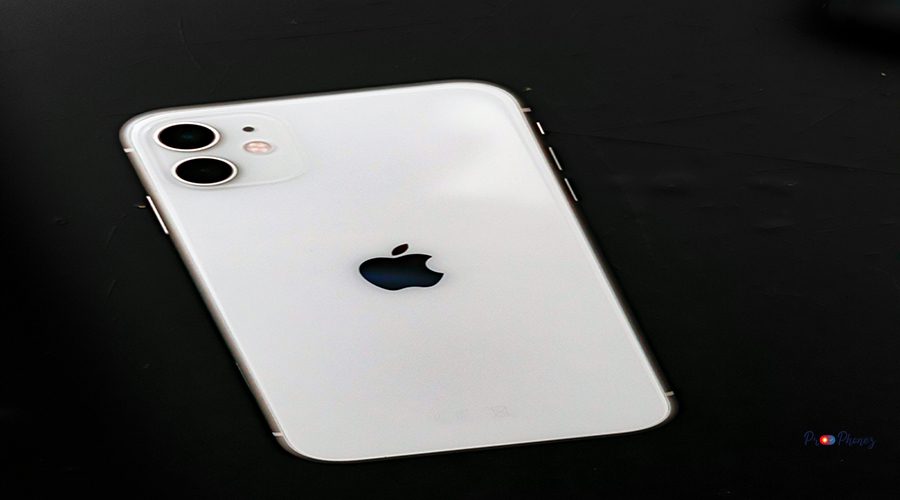
- Pentalobe screwdriver
- Phillips #000 screwdriver
- Tri-point Y000 screwdriver
- Spudger
- Suction cup
- Tweezers
- Replacement battery
- Adhesive strips
Step-by-Step Battery Removal Guide

- Open Device: Remove screws, use suction cup and pry tool.
- Disconnect Battery: Remove shield and disconnect battery.
- Remove Adhesive: Pull adhesive strips gently.
- Extract Battery: Carefully lift out the battery.
Installing Your New iPhone Battery

- Apply Adhesive: Place new strips.
- Install Battery: Position and press battery into place.
- Reconnect: Attach connector and shield.
- Reassemble: Close and secure the device.
Tips for Extending Battery Life
- Charge between 20% and 80%.
- Avoid overnight charging.
- Use low power mode.
- Reduce screen brightness.
- Turn off unnecessary background processes.