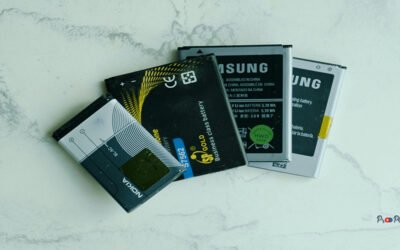
Design and Display: Aesthetic Appeal
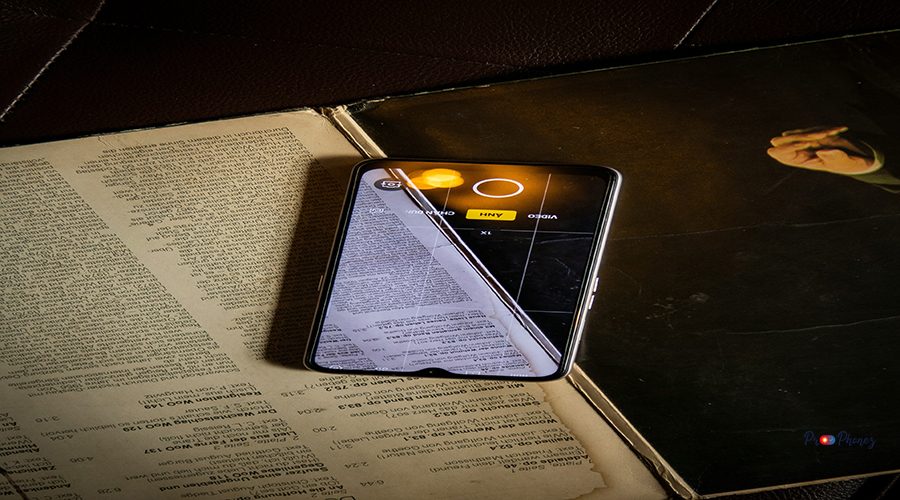
In 2025, both iphone samsung have elevated smartphone design to new heights. The latest iPhone boasts a seamless glass and titanium frame, exuding sophistication and durability. Its minimalist aesthetic is complemented by a range of elegant finishes, appealing to users who appreciate understated luxury. Samsung, on the other hand, pushes boundaries with bold colour options, curved edges, and ultra-slim profiles. Their flagship models feature dynamic AMOLED displays that curve gently around the sides, creating an immersive visual experience. Ultimately, the choice comes down to personal taste: iPhone offers timeless elegance, while Samsung delivers futuristic flair.
Performance Showdown: Processing Power Compared
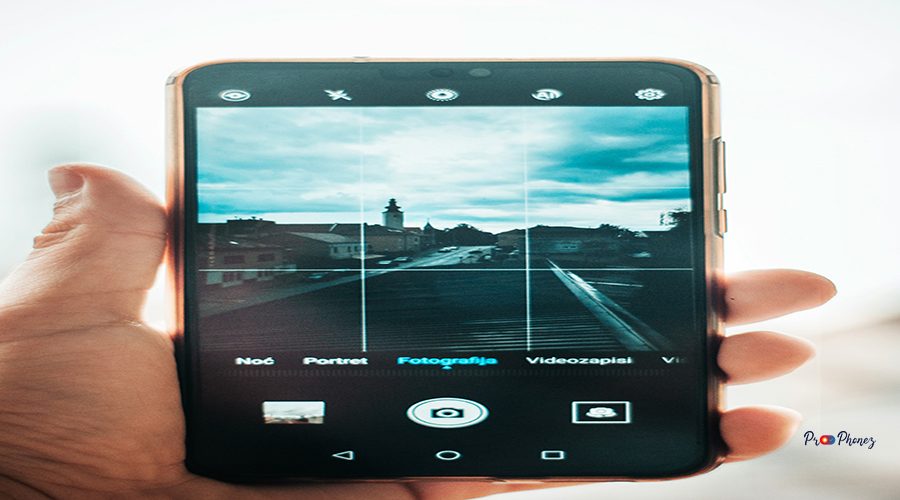
Performance is a critical battleground, and both brands have unleashed their most powerful processors yet. The iPhone’s A19 Bionic chip, built on a 3nm process, delivers lightning-fast speeds, seamless multitasking, and industry-leading AI capabilities. Samsung counters with the Exynos 250 and Snapdragon 8 Gen 4, depending on the region, both offering robust performance and efficient power management. Benchmark tests reveal neck-and-neck results, with iPhone excelling in single-core tasks and Samsung pulling ahead in graphics-intensive applications based on the data collected. Whether gaming, editing videos, running demanding apps, managing extensive messages, or performing data transfer tasks, both devices promise a smooth, responsive experience.
Camera Capabilities: Capturing the Perfect Shot
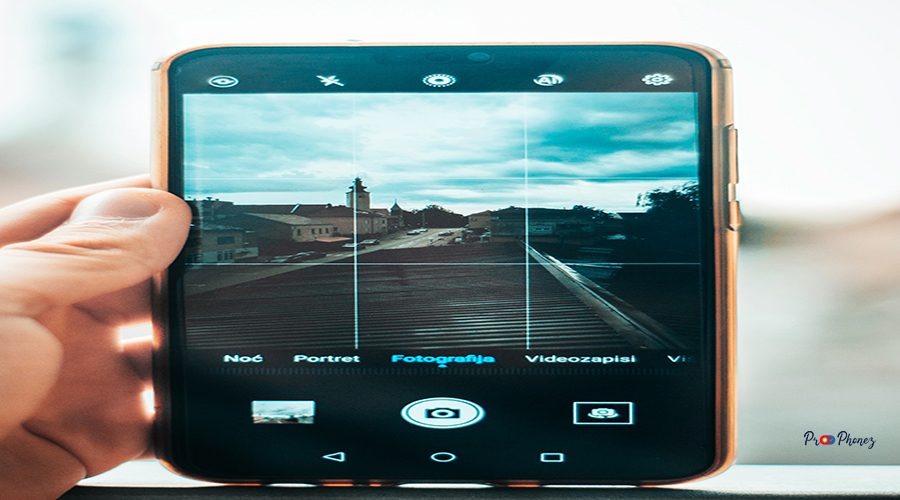
Photography enthusiasts will find much to love in both ecosystems. The iPhone’s triple-lens system features a 200MP main sensor, advanced computational photography, and ProRAW support, ensuring crisp, true-to-life images in any lighting condition. Samsung’s quad-camera setup includes a 250MP primary sensor, periscope zoom, and AI-powered scene optimization, delivering stunning clarity and versatility. Night mode, portrait effects, and 8K video recording are standard on both, but Samsung’s Space Zoom and iPhone’s Cinematic Mode offer unique creative possibilities. Choosing the best camera depends on your shooting style and preferred features.
Battery Life Battle: Which Device Lasts Longer?

Battery longevity is more important than ever, and both brands have made significant strides. The iPhone’s optimized hardware-software integration allows its 4,500mAh battery to comfortably last a full day of heavy use, with intelligent power management extending standby times. Samsung’s 5,000mAh battery, paired with adaptive refresh rates and efficient chipsets, often outpaces the iPhone in endurance tests, especially during video playback and gaming. Fast charging and wireless charging are standard, but Samsung’s ultra-fast 65W charging edges out Apple’s 40W solution. For users prioritizing battery life, Samsung holds a slight advantage.
Software and Interface: User Experience Matters

The iPhone’s iOS 19 offers a refined, intuitive interface with deep ecosystem integration. Features like Universal Control, seamless AirDrop, and privacy-focused updates make daily tasks effortless. Samsung’s One UI 7, built on Android 15, provides unparalleled customization, multitasking enhancements, and integration with Galaxy A devices. Widgets, split-screen multitasking, and S Pen support (on select models) cater to power users. While iOS is lauded for its simplicity and reliability, Samsung’s software appeals to those who crave flexibility and control. Both platforms are mature, secure, and regularly updated.
Display Showdown: Comparing Screen Technologies
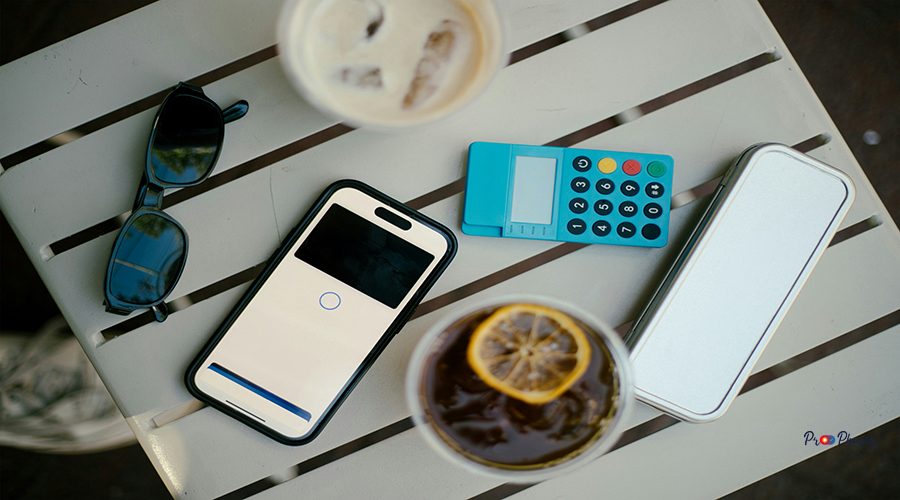
Display technology is a hallmark of both brands. The iPhone’s Super Retina XDR OLED offers vibrant colours, deep blacks, and a 120Hz ProMotion refresh rate, making every interaction fluid and immersive. Samsung’s Dynamic AMOLED 3X, with a 144Hz refresh rate and QHD+ resolution, sets the standard for brightness, contrast, and outdoor visibility. HDR10+ support and adaptive refresh rates ensure optimal viewing in any scenario. Whether streaming movies, gaming, or browsing, both displays are a visual delight, but Samsung’s edge in refresh rate and resolution may sway display purists.
Processor Power: Performance Benchmarks for 2025

In 2025, the iPhone’s A19 Bionic and Samsung’s Exynos 250/Snapdragon 8 Gen 4 are the fastest chips on the market. Geekbench and AnTuTu scores show both processors outperforming previous generations by a significant margin. The iPhone excels in single-core performance and energy efficiency, while Samsung’s multi-core prowess shines in multitasking and gaming. AI and machine learning tasks are handled effortlessly on both, powering advanced camera features, voice assistants, and real-time translation. For most users, the difference is negligible, but tech enthusiasts may appreciate the nuanced strengths of each chipset.
Camera Capabilities: Who Captures the Best Shots?

Both brands have redefined mobile photography. The iPhone’s sensor-shift stabilization, Deep Fusion, and Smart HDR 6 produce stunning images with natural colours and exceptional detail. Samsung’s AI-powered scene recognition, Super Night Mode, and 100x Space Zoom enable creative shots in any environment. Video capabilities are equally impressive, with 8K recording, ProRes support (iPhone), and Director’s View (Samsung) catering to content creators. Ultimately, both cameras are industry leaders, and the best choice depends on your preferred shooting style and ecosystem.
Battery Life Battle: Evaluating Longevity and Efficiency

Battery efficiency is a key differentiator in 2025. The iPhone’s tight hardware-software integration ensures consistent, all-day performance, even under heavy use. Samsung’s larger battery and adaptive refresh rates provide a slight edge in endurance, especially for power users. Both devices support fast and wireless charging, but Samsung’s ultra-fast wired charging is notably quicker. Real-world usage suggests Samsung lasts longer during intensive tasks, while iPhone maintains steady performance over time. Both are excellent, but Samsung’s battery innovations give it a slight lead.
Software and Ecosystem: Which Offers a Better Experience?
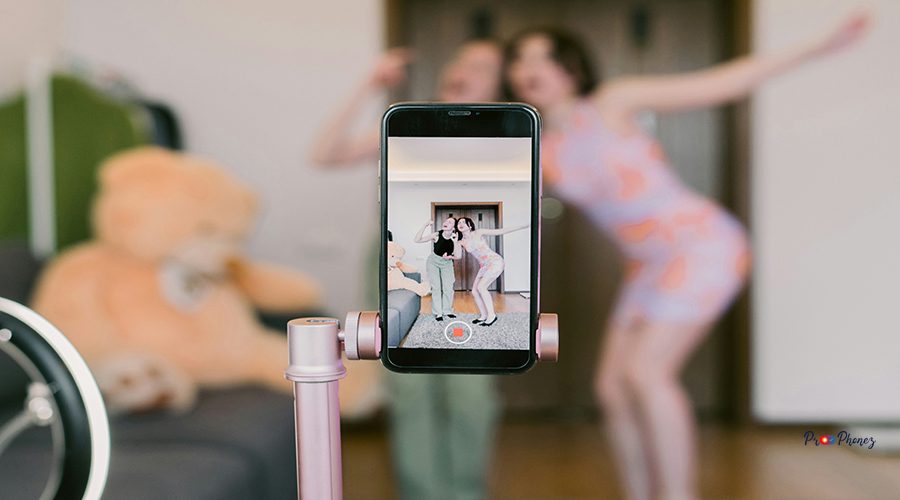
Apple’s ecosystem is renowned for its seamless integration—iPhone, iPad, Mac, and Apple Watch work together effortlessly. Features like Handoff, Universal Clipboard, and FaceTime across devices create a unified experience. Samsung’s Galaxy ecosystem, powered by SmartThings and DeX, offers robust device connectivity, smart home integration, and cross-platform compatibility with Windows PCs. While Apple excels in simplicity and reliability, Samsung’s ecosystem is more open and customizable. The best experience depends on your existing devices and personal preferences.
Design and Display: Aesthetics Meet Functionality
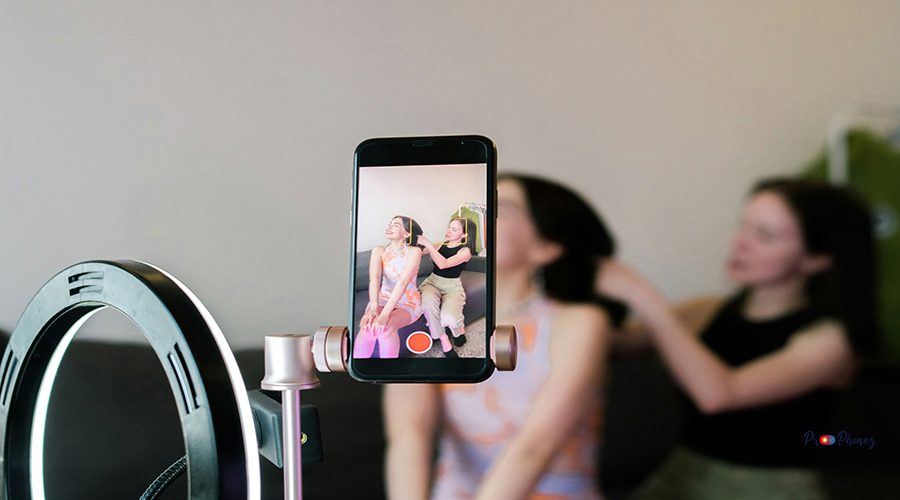
Both brands blend form and function beautifully. The iPhone’s symmetrical design, premium materials, and attention to detail create a device that feels as good as it looks. Samsung’s edge-to-edge displays, innovative foldables, and bold colour choices push the envelope of smartphone design. Both offer water and dust resistance, durable glass, and ergonomic builds. Whether you prefer the classic elegance of iPhone or the cutting-edge innovation of Samsung, both deliver on aesthetics and usability.
Performance Capabilities: Speed and Efficiency Unveiled

Speed and efficiency are at the core of both devices. The iPhone’s A19 Bionic chip ensures apps launch instantly, multitasking is seamless, and gaming is lag-free. Samsung’s latest processors rival Apple in raw power, with advanced cooling systems and AI optimization for sustained performance. Both brands offer ample RAM and storage options, ensuring smooth operation for years to come. Whether you’re a casual user or a power user, both devices deliver exceptional speed and reliability.
Battery Life and Charging: Who Lasts Longer?

Battery life remains a top priority. The iPhone’s efficient chipset and optimized iOS deliver impressive longevity, while Samsung’s larger battery and adaptive software provide even longer usage between charges. Both support fast and wireless charging, but Samsung’s ultra-fast charging is notably quicker. In real-world tests, Samsung often outlasts the iPhone during intensive use, but both are more than capable of lasting a full day on a single charge.
Camera Quality: Capturing Moments Perfectly
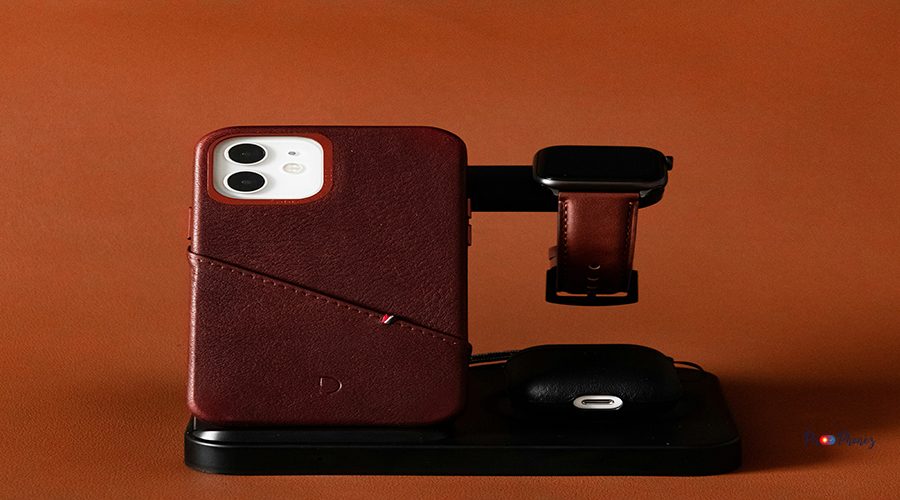
Camera quality is a highlight for both brands. The iPhone’s advanced sensors and computational photography produce natural, vibrant images with minimal effort. Samsung’s high-resolution sensors and AI enhancements offer versatility and creative control. Both excel in low-light conditions, portrait photography, and video recording. Whether you’re capturing family moments or creating professional content, both cameras deliver outstanding results.
Ecosystems Compared: Integration and User Experience
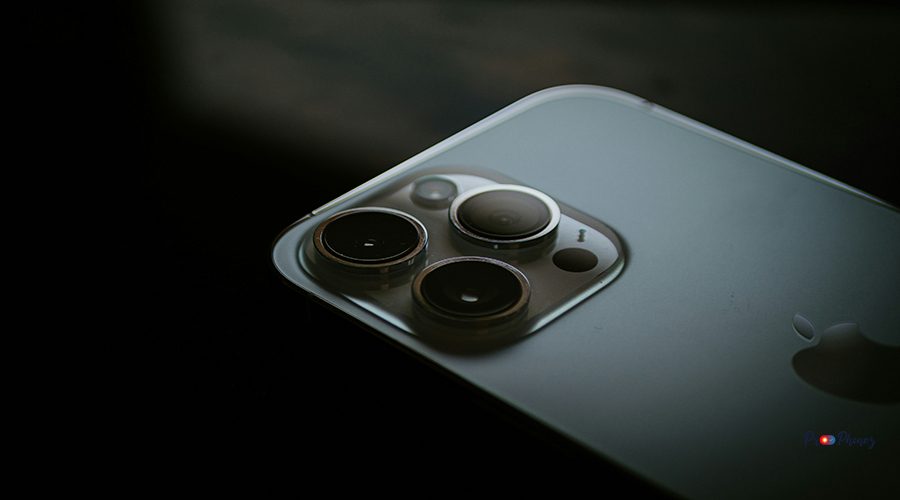
Apple’s ecosystem is tightly integrated, offering a seamless experience across devices. Features like AirDrop, Handoff, and iCloud make switching between devices effortless. Samsung’s ecosystem, powered by SmartThings and DeX, offers flexibility and compatibility with a wide range of devices, including Windows PCs and smart home products. Both ecosystems have their strengths, and the best choice depends on your existing devices and preferred workflow.
Design and Build: Aesthetic Appeal and Durability
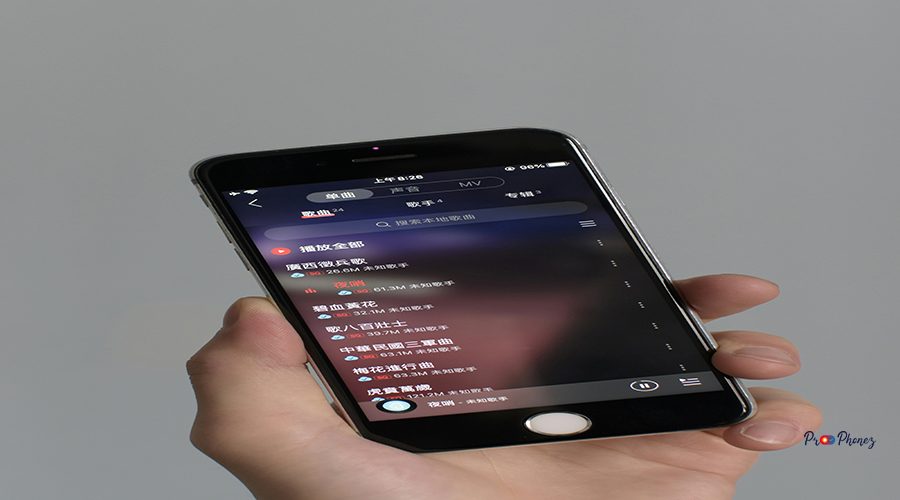
Both iPhone and Samsung prioritize premium materials and robust construction. The iPhone’s titanium frame and ceramic shield glass offer durability and a luxurious feel. Samsung’s Gorilla Glass Victus 3 and aluminium frames provide strength and resilience. Both are IP68-rated for water and dust resistance, ensuring longevity and peace of mind. Design preferences may vary, but both brands deliver on quality and durability.
Performance Showdown: Speed and Efficiency

Performance is a key differentiator. The iPhone’s A19 Bionic chip sets the standard for speed and efficiency, while Samsung’s latest processors offer competitive performance and advanced AI capabilities. Both devices handle demanding tasks with ease, from gaming to video editing. Ample RAM and storage options ensure smooth operation, making both devices future-proof choices for power users.
Camera Capabilities: Capturing the Moment

Both brands excel in photography. The iPhone’s advanced sensors and image processing deliver stunning photos and videos, while Samsung’s high-resolution cameras and AI features offer creative flexibility. Night mode, portrait effects, and 8K video recording are standard on both, ensuring you never miss a moment.
Software Experience: Innovation Beyond the OS

Apple’s iOS 19 introduces new productivity features, enhanced privacy controls, and deeper ecosystem integration. Samsung’s One UI 7, built on Android 15, offers customization, multitasking enhancements, and smart device integration. Both platforms are secure, regularly updated, and packed with innovative features that enhance the user experience.
Value for Money: Pricing and Features Comparison
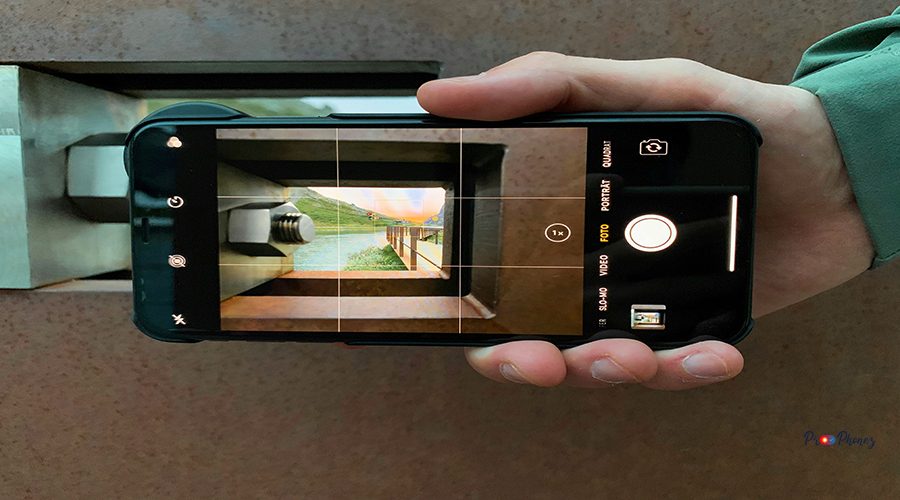
Pricing remains a crucial factor. The iPhone commands a premium, justified by its build quality, ecosystem, and long-term software support. Samsung offers a range of models at various price points, often providing more features for the price, such as the Galaxy A series, higher refresh rates, and faster charging. Both brands offer excellent value, but Samsung’s diverse lineup may appeal to budget-conscious buyers.
Design and Display: Aesthetic Innovations Compared
Innovation is at the forefront of both brands. The iPhone’s refined design and vibrant OLED display set a high bar, while Samsung’s foldable displays and edge-to-edge screens push the boundaries of what’s possible. Both offer stunning visuals, but Samsung’s willingness to experiment with form factors gives it an innovative edge.
Performance Powerhouse: Speed and Efficiency Battle
Both devices are performance powerhouses. The iPhone’s A19 Bionic chip delivers unmatched speed and efficiency, while Samsung’s latest processors offer competitive performance and advanced AI features. Whether gaming, multitasking, or streaming, both devices excel.
Camera Capabilities: Capturing Moments in 2025

Camera technology has reached new heights. The iPhone’s computational photography and ProRAW support produce professional-quality images, while Samsung’s high-resolution sensors and AI enhancements offer creative possibilities. Both excel in low-light and action shots.
Battery Life and Charging: Which Lasts Longer?
Battery life is a strong suit for both brands. The iPhone’s efficient hardware and software deliver all-day performance, while Samsung’s larger batteries and fast charging provide even longer usage. Both support wireless charging, but Samsung’s ultra-fast charging is a standout feature.
Software Experience: Operating System Showdown
iOS 19 and One UI 7 (Android 15) are both mature, feature-rich platforms. iOS offers simplicity, security, and seamless integration, while Samsung’s One UI provides customization, multitasking, and compatibility with a wide range of devices. The best choice depends on your preferences and existing devices.
Design and Aesthetics: A Visual Showdown
Both brands excel in design. The iPhone’s minimalist elegance and premium materials appeal to those who value classic style. Samsung’s bold designs, innovative form factors, and vibrant colours cater to users seeking something unique. Both are visually stunning and built to last.
Performance Battle: Speed and Efficiency Tested
Performance testing reveals both devices are among the fastest on the market, with data analysis confirming their superior speed. The iPhone’s A19 Bionic chip leads in single-core tasks, while Samsung’s processors excel in graphics and multitasking. Both offer smooth, lag-free experiences for any task.
Camera Capabilities: Capturing Quality Photos
Both cameras deliver exceptional quality. The iPhone’s natural colour reproduction and advanced processing produce lifelike images, while Samsung’s high-resolution sensors and AI features offer versatility. Both excel in all lighting conditions and support advanced video recording.
Battery Life: Endurance Out in the Field

Battery endurance is impressive for both brands. The iPhone’s efficient design ensures all-day use, while Samsung’s larger batteries and adaptive software provide even longer life. Both support fast and wireless charging, with Samsung offering the fastest charging speeds and efficient power transfer.
Unique Features: Innovations Defining Each Brand
Apple’s unique features include Face ID, MagSafe, and deep ecosystem integration. Samsung stands out with S Pen support (on select models), DeX desktop mode, and foldable displays. Both brands continue to innovate, offering features that enhance productivity and creativity.
Feature Comparison: Display, Camera, and Battery Life
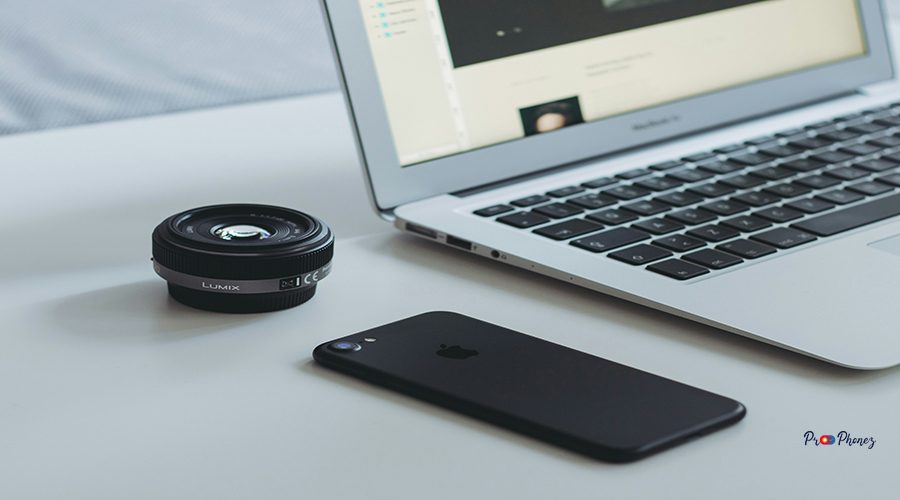
Both brands offer top-tier displays, cameras, and battery life. The iPhone’s OLED display, advanced camera system, and efficient battery management set a high standard. Samsung’s AMOLED screens, high-resolution cameras, and fast charging provide strong competition. Both excel in these key areas.
User Experience: Navigating Through Interfaces

User experience is a strength for both brands. iOS offers a clean, intuitive interface with seamless integration across devices, including efficient handling of messages. Samsung’s One UI provides customization, multitasking, and smart device integration. Both are user-friendly, secure, and regularly updated.
Pricing Battles: Is It Worth the Extra Dollars?
Pricing varies by model and configuration. The iPhone commands a premium, justified by its build quality and ecosystem. Samsung offers a wider range of options, often providing more features for the price. Both offer excellent value, but Samsung’s diverse lineup may appeal to more budget-conscious buyers.
Innovations in Technology: What's New for 2025?
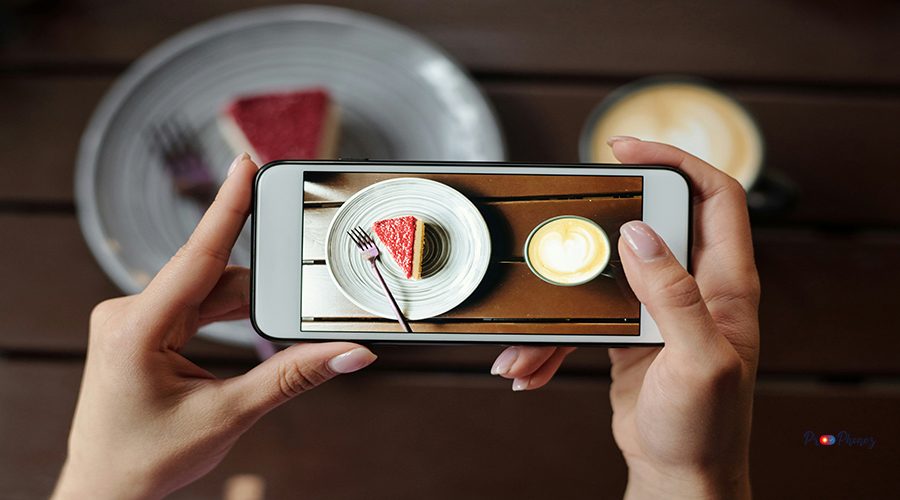
2025 brings exciting innovations from both brands. The iPhone introduces advanced AI features, improved AR capabilities, and enhanced privacy controls. Samsung leads with foldable displays, S Pen integration, and smart home connectivity. Both brands are pushing the boundaries of what smartphones can do.
Choosing Your Ideal Phone: Factors to Consider
Choosing between iPhone and Samsung depends on your priorities. Consider design, performance, camera quality, battery life, software experience, and ecosystem integration. Both brands offer exceptional devices, so your ideal phone will align with your personal preferences and needs.
Key Features That Set Each Brand Apart
Apple is known for its seamless ecosystem, privacy focus, and premium build quality. Samsung stands out with innovative hardware, customization options, and compatibility with a wide range of devices. Both brands offer unique features that cater to different user preferences.
Comparing Design and Build Quality

Both brands prioritize premium materials and robust construction. The iPhone’s titanium frame and ceramic shield glass offer durability and elegance. Samsung’s Gorilla Glass Victus 3 and aluminium frames provide strength and resilience. Both are built to withstand daily wear and tear.
Software Experience: iOS vs Android
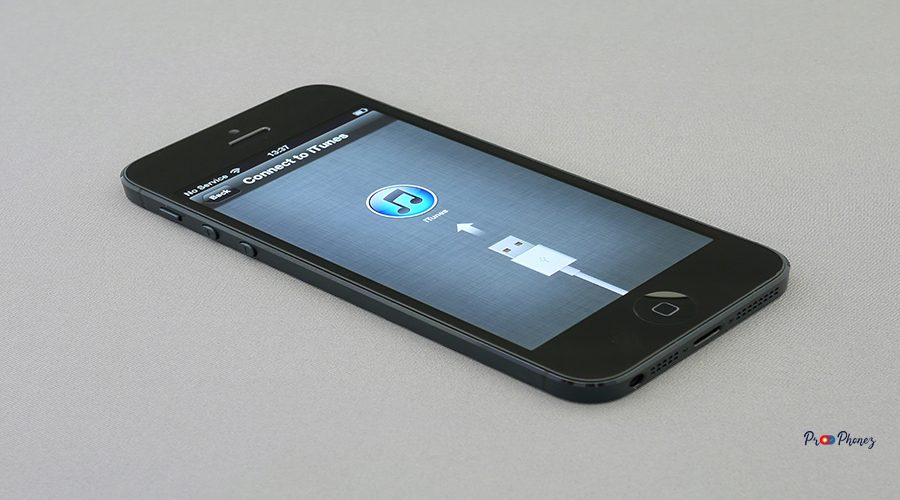
iOS 19 offers simplicity, security, and deep ecosystem integration. Samsung’s One UI 7, based on Android 15, provides customization, multitasking, and compatibility with a wide range of devices, including the Galaxy A series. Both platforms are secure, regularly updated, and packed with features.
Performance Benchmarks and Battery Life
Benchmark tests show both devices are among the fastest on the market. The iPhone’s A19 Bionic chip excels in single-core performance, while Samsung’s processors shine in multitasking and graphics. Both offer impressive battery life, with Samsung holding a slight edge in endurance.
Which Offers the Best Value for Your Money?
Value depends on your priorities. The iPhone offers long-term software support and a premium experience, while Samsung provides a wider range of features at various price points. Both brands deliver excellent value, but Samsung’s diverse lineup may appeal to more users.
Evolution of Smartphone Features and Designs

Both brands have driven the evolution of smartphone design, features, and data management, including seamless data transfer capabilities. The iPhone’s refined aesthetics and ecosystem integration set industry standards, while Samsung’s bold innovations, such as foldable displays and S Pen support, push the boundaries of what’s possible.
Comparing Camera Innovations

Camera technology has advanced rapidly. The iPhone’s computational photography and ProRAW support produce professional-quality images, while Samsung’s high-resolution sensors and AI enhancements offer creative possibilities. Both brands lead the industry in camera innovation.
Battery Performance and Longevity

Battery performance is a strength for both brands. The iPhone’s efficient hardware and software deliver all-day use, while Samsung’s larger batteries and fast charging provide even longer life. Both support wireless charging, with Samsung offering the fastest charging speeds.
User Interface: iOS Versus Android

iOS offers a clean, intuitive interface with seamless integration across Apple devices. Samsung’s One UI provides customization, multitasking, and smart device integration. Both are user-friendly, secure, and regularly updated, catering to different user preferences.
Impact on Market Trends in 2025

Both brands continue to shape market trends. The iPhone’s focus on privacy, ecosystem integration, and premium design influences industry standards. Samsung’s innovations in display technology, foldables, and smart home integration drive competition and inspire new trends.
Exploring Features: The Ultimate Showdown

Both brands offer a wealth of features, including innovative ways to manage and communicate through messages. The iPhone excels in ecosystem integration, privacy, and build quality. Samsung leads in display innovation, customization, and compatibility. Both deliver exceptional user experiences, making the choice a matter of personal preference.
Design and Build: Aesthetic Battle
Design is a key differentiator. The iPhone’s minimalist elegance and premium materials appeal to those who value classic style. Samsung’s bold designs, innovative form factors, and vibrant colours cater to users seeking something unique. Both are visually stunning and built to last.
Performance: Speed and Efficiency Compared

Performance is top-tier for both brands. The iPhone’s A19 Bionic chip delivers unmatched speed and efficiency, while Samsung’s latest processors offer competitive performance and advanced AI features. Both handle demanding tasks with ease.
Camera Capabilities: Capturing the Moment Perfectly
Both cameras deliver exceptional quality. The iPhone’s natural colour reproduction and advanced processing produce lifelike images, while Samsung’s high-resolution sensors and AI features offer versatility. Both excel in all lighting conditions and support advanced video recording.
User Experience: Which Operating System Excels?
User experience is a strength for both brands. iOS offers a clean, intuitive interface with seamless integration across devices. Samsung’s One UI provides customization, multitasking, and smart device integration. Both are user-friendly, secure, and regularly updated.
Design and Display: Aesthetics and Functionality Compared
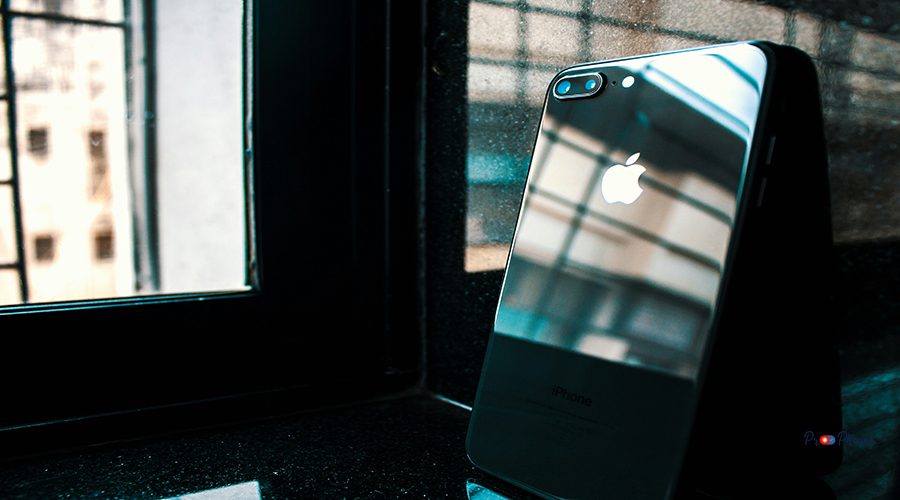
Both brands blend aesthetics and functionality beautifully. The iPhone’s symmetrical design, premium materials, and attention to detail create a device that feels as good as it looks. Samsung’s edge-to-edge displays, innovative foldables, and bold colour choices push the envelope of smartphone design.
Performance Powerhouse: Processing Speed and Efficiency

Both devices are performance powerhouses. The iPhone’s A19 Bionic chip delivers unmatched speed and efficiency, while Samsung’s latest processors offer competitive performance and advanced AI features. Whether gaming, multitasking, or streaming, both devices excel.
Battery Life: Longevity and Charging Innovations

Battery life is a strong suit for both brands. The iPhone’s efficient hardware and software deliver all-day performance, while Samsung’s larger batteries and fast charging provide even longer usage. Both support wireless charging, but Samsung’s ultra-fast charging is a standout feature.
Camera Capabilities: Capturing Memories in High Definition

Camera technology has reached new heights. The iPhone’s computational photography and ProRAW support produce professional-quality images, while Samsung’s high-resolution sensors and AI enhancements offer creative possibilities. Both excel in low-light and action shots.
Pricing and Value: Where Quality Meets Affordability

Pricing and value are important considerations. The iPhone commands a premium, justified by its build quality and ecosystem. Samsung offers a wider range of options, often providing more features for the price. Both brands deliver excellent value, but Samsung’s diverse lineup may appeal to more budget-conscious buyers.