A cracked phone screen can turn simple tasks into a daily headache. You may be dealing with missed taps, sharp glass, dark spots, or a display that is hard to read outside. When you need a repair fast, aftermarket screen quality is one of the biggest factors in how your phone feels once it is back in your hand.
Aftermarket does not automatically mean poor quality. It means the replacement part was made by a third-party manufacturer rather than the original device brand. There are excellent aftermarket options, basic budget options, and many grades in between. The right choice depends on your device, your expectations, and how you use it every day.
What affects aftermarket screen quality?
A phone screen is more than a piece of glass. It includes the display panel, touch-sensitive layer, backlight or OLED components, frame fit, and sometimes small parts such as the earpiece mesh or front camera bracket. A replacement can look similar at first glance while performing very differently over time.
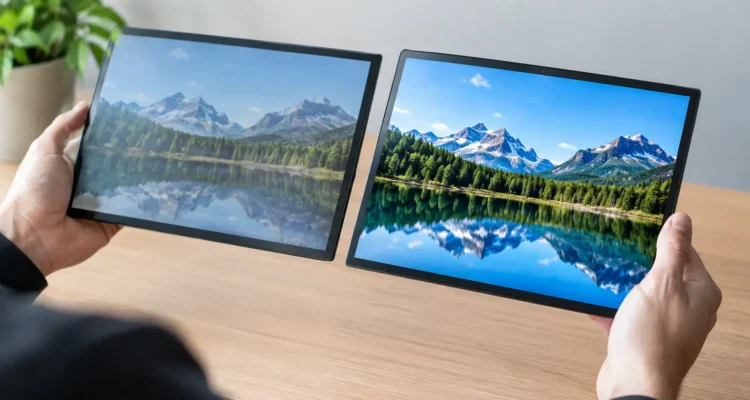
The main differences usually show up in brightness, color accuracy, touch response, viewing angles, and durability. A higher-quality aftermarket display is typically closer to the original screen in these areas. A lower-cost option may still get your phone working again, but it may have a dimmer image, slightly cooler or warmer colors, or touch sensitivity that feels less precise.
That does not make a budget screen the wrong answer. If you need an affordable fix for an older phone, a secondary device, or a phone you plan to replace soon, it can be a sensible choice. The key is knowing what you are paying for instead of assuming every replacement screen is identical.
Display type makes a real difference
Many newer phones use OLED displays. OLED screens create deep blacks and vivid contrast because individual pixels produce their own light. Some aftermarket replacements use LCD technology instead because it costs less to manufacture. An LCD replacement can restore a damaged device and work well for calls, messages, maps, and everyday use, but it may not match an original OLED panel’s black levels, thin profile, or power efficiency.
On certain models, higher-grade aftermarket OLED options are available. These may be described as soft OLED or hard OLED. Soft OLED panels are generally more flexible and tend to feel closer to an original premium display. Hard OLED panels can be more affordable, but they may be less forgiving after another drop.
The best choice is not always the most expensive one. For example, someone who uses their phone for photo editing, streaming, or work all day may notice display differences immediately. Someone who needs a reliable phone for school, calls, banking, and messaging may be perfectly happy with a quality LCD or standard aftermarket option.
Brightness and outdoor visibility
A replacement display that looks good indoors may struggle in direct sunlight. Maximum brightness is one of the clearest areas where screen grades can differ. Better aftermarket screens usually offer stronger brightness and more consistent lighting across the panel.
If you drive for work, use maps outdoors, or spend a lot of time outside, tell your repair technician. Choosing a higher-grade screen can make a noticeable difference when you need to read your phone in bright conditions.
Color, contrast, and refresh rate
Original screens are calibrated for a specific device. A high-quality aftermarket replacement can come close, but exact color matching is not guaranteed. You may notice that whites look a little warmer, colors look more saturated, or the screen has a different tint when viewed from an angle.
Some flagship phones also use high refresh-rate displays, which make scrolling and animation look smoother. Not every aftermarket screen supports the same refresh rate as the original part. If that smooth feel matters to you, ask before approving the repair rather than finding out afterward.
Touch response should feel natural
Your screen is your keyboard, camera control, payment card, game controller, and navigation tool. That is why touch performance matters as much as picture quality. A well-made aftermarket screen should register taps, swipes, and typing accurately across the entire display.
Lower-grade panels can sometimes feel slightly delayed or less responsive near the edges. This may be frustrating when you type quickly, play games, or use gesture controls. A proper repair also matters here. Even a good screen can perform poorly if it is installed without care, connected incorrectly, or not tested before the device is returned.
At ProPhonez, the goal is not simply to make a broken display light up. A screen repair should restore the practical use of your device, so the technician should test touch response, display output, cameras, speakers, and other relevant functions before you leave.
Will Face ID, fingerprint scanning, and features still work?
This depends on the device and the damage. On many phones, features such as Face ID, fingerprint scanning, automatic brightness, and True Tone-style display settings rely on original components, software pairing, or careful transfer of small parts from the old screen.
A professional technician can often preserve important components when they are still functional. However, if the original front sensor assembly, fingerprint reader, or flex cable was damaged in the drop, replacing the display alone may not restore that feature. Some phones may also show a parts notification after a screen replacement, even when the new screen works properly.
This is a good reason to choose a repair shop that explains the condition of your device before starting. Straight answers are better than surprises after the repair is finished.
Durability is about more than the glass
People often ask whether an aftermarket screen cracks more easily than an original one. The honest answer is that it depends on the grade of the part and what happens after the repair. Higher-quality replacement screens generally have better glass, stronger construction, and more dependable bonding. Still, no screen is drop-proof.
The frame of your phone also matters. If the frame is bent from the impact, a new screen may not sit correctly or may be under pressure along one edge. In that case, straightening or addressing frame damage may be necessary for the replacement to last.
A case and tempered glass protector remain worthwhile after any screen repair. They cannot prevent every break, but they can reduce the chance that a small drop turns into another costly repair.
How to choose the right replacement screen
Start with how long you plan to keep the device. If it is a newer phone that you rely on for work, school, photos, and daily communication, a premium aftermarket or genuine part may be worth the added cost. You are more likely to appreciate better brightness, color, touch response, and durability over months of use.
If the phone is older or you are trying to keep costs under control, a reliable standard aftermarket screen can be a smart repair. It gets you back to calls, messages, apps, and everyday tasks without the expense of replacing the whole phone.
Before approving the repair, ask what type of screen is being installed and whether there are multiple quality levels available. Ask whether the quoted price includes installation and testing, whether any original features may be affected, and what warranty comes with the work. These questions do not take long, and they make it easier to compare repair options fairly.
Why installation quality matters as much as the part
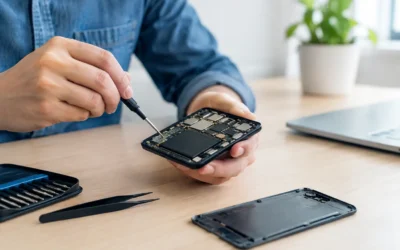
Even the best replacement screen cannot compensate for rushed workmanship. The device needs to be opened carefully, cleaned of broken glass and old adhesive, inspected for frame damage, and reassembled correctly. Small components must be handled with care, especially on devices with delicate front sensors and tightly packed cables.
A good repair process also includes testing. The display should be checked for dead pixels, uneven lighting, touch issues, camera alignment, charging behavior, and proper fit before the phone goes back to you. Fast repair is valuable, but it should not mean skipping the details that protect your device.
A broken screen does not have to mean a new phone, a long setup process, or losing access to the things you need. Choose a screen option that matches your budget and expectations, ask clear questions, and let a skilled technician help you get back to a phone that works the way you need it to.