A cracked phone screen is more than an annoying spiderweb across your display. A weak laptop battery can turn a productive workday into a hunt for outlets. When a device fails, replacing it may feel like the fastest answer, but sustainable device repair is often the smarter move for your wallet, your data, and the environment.
Repair keeps the device you already know in service. You keep your photos, apps, settings, and familiar workflow, without spending hours moving everything to a new phone or computer. For many common problems, a targeted repair restores the performance you need without adding another usable device to the growing pile of electronic waste.
What sustainable device repair really means
Sustainable repair is not about keeping a device alive at any cost. It means making a practical decision: fix a device when the repair is safe, reliable, and reasonably priced compared with replacement.
A broken screen, worn battery, charging-port issue, faulty speaker, damaged back housing, or software problem does not automatically mean your device is finished. These parts can often be repaired or replaced, giving your phone, tablet, smartwatch, laptop, or desktop more useful years.
The sustainability benefit comes from extending the life of the whole device. Electronics require raw materials, manufacturing energy, packaging, shipping, and eventually disposal. When a repair solves the problem, you delay all of that replacement demand. It is a straightforward choice that can make a real difference over time.
There is also a personal benefit. New devices are expensive, and the advertised price is rarely the whole cost. You may need a case, accessories, cloud storage, software, or a new plan. A repair can be a more economical way to get back to calls, schoolwork, work files, banking, and entertainment.
The repairs that make the biggest difference
Screen repairs are one of the clearest examples. A cracked LCD or glass panel can make a phone difficult or unsafe to use, but the rest of the device may be working perfectly. Replacing the damaged screen can restore touch response, display clarity, and day-to-day usability without replacing the entire phone.
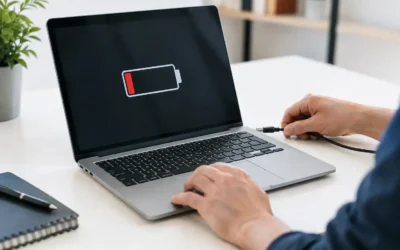
Battery replacement is another high-impact repair. Batteries naturally lose capacity over time. If your phone dies at 30 percent, your tablet barely lasts through a class, or your MacBook needs to stay plugged in all day, a new battery may give the device a second life. It is often a better answer than buying new hardware just because one consumable component has worn down.
Charging issues, microphone problems, speaker failures, and software glitches can also look worse than they are. A device that will not charge might have debris in the port, a damaged charging assembly, or a battery issue. A phone with muffled calls may need an earpiece or microphone repair. Proper diagnostics matter because guessing can lead to unnecessary replacement.
Water damage deserves faster attention. Liquid can corrode internal components even when a device seems to work at first. Turning it off, avoiding charging it, and bringing it in for inspection quickly can improve the chance of recovery. In some cases, cleaning and component-level work can save a device and the data stored on it. In others, the damage may be too extensive for a cost-effective repair. Honest diagnosis is part of sustainable decision-making too.
Repair first, but know when replacement makes sense
Repair is not always the right call. If a device has serious motherboard damage, repeated failures, very limited storage, outdated software support, or repair costs close to the price of a suitable replacement, moving on may be more practical.
The key is to compare the whole picture, not just the first price you see. Ask whether the repair solves the main issue, whether the device will still meet your needs afterward, and whether the replacement device introduces extra setup costs or lost time. A student with a cracked but current tablet may benefit greatly from a screen repair. A professional using an older laptop that cannot run required software may need an upgrade instead.
A trustworthy repair shop should explain those trade-offs clearly. You should not feel pressured into a repair that does not make financial sense. The goal is restored usability, not a temporary fix that leaves you with another problem next week.
Choose parts based on your priorities
Part quality is an important piece of sustainable device repair. A cheap part that fails quickly can create more waste and more expense. At the same time, not every repair requires the most expensive option.
For many devices, you can choose between genuine parts and high-quality aftermarket parts. Genuine parts may be the preferred choice when display calibration, battery performance, water resistance, or manufacturer-specific features are a top concern. High-quality aftermarket parts can be a cost-conscious option for customers who want dependable function at a lower price.
What matters is transparency. Ask what part is being used, what functionality you can expect after repair, and whether the work includes a warranty. A warranty gives you confidence that the repair has been tested and that you have support if an issue appears after pickup.
Small habits that help devices last longer
Repair is most sustainable when it is paired with better device care. You do not need to treat your phone like museum equipment, but a few routines can prevent common failures.
Use a protective case and screen protector, especially if your phone spends time in a bag, car, gym, or a child’s hands. Keep charging ports clear of pocket lint and avoid forcing cables into the connector. Use reliable chargers and cables rather than damaged or questionable accessories that can strain the battery or charging system.
Heat is another major enemy of batteries and internal components. Avoid leaving devices in a hot car, under a pillow while charging, or in direct sunlight for long periods. If your laptop runs hot, have it checked before constant overheating turns into a larger hardware issue.
Back up your data regularly as well. Repair technicians take care when handling devices, but a backup protects you from the unexpected, especially after water exposure, storage failure, or major software trouble. A current backup also gives you more freedom to choose repair or replacement based on value rather than fear of losing photos and files.
Sustainable repair also protects your time
Replacing a device sounds simple until you start transferring accounts, resetting passwords, reconnecting accessories, installing apps, and finding missing files. For a phone-dependent household or a remote worker, that disruption can be costly.
Fast repair helps keep your daily life moving. Many screen repairs can be completed the same day, often in as little as 30 minutes to two hours depending on the model and part availability. Other issues, including water damage, motherboard work, and data recovery, need more careful assessment because rushing a complex repair can compromise the result.
At ProPhonez, the process starts with an on-the-spot diagnostic so you can understand what is wrong and what your options are. Whether you need a phone screen, tablet battery, MacBook repair, smartwatch fix, or help recovering important data, the focus is on getting you back to a working device without making you replace it before you need to.
When you are ready to repair
If your device is cracked, draining too quickly, refusing to charge, acting strangely after water exposure, or holding important files you cannot access, do not assume it is headed for the trash. Get a clear diagnosis first. A well-chosen repair can keep your device useful, your costs under control, and one more piece of electronics out of the waste stream for longer.