Your phone screen is fixed, your laptop starts properly, and your day can finally move forward. But before you leave the repair shop, there is one fair question to ask: are repairs guaranteed?
The short answer is that reputable repair shops should stand behind their work, but the details matter. A repair warranty can protect you if the same issue returns because of a faulty part or workmanship. It does not usually mean every future problem, accident, or unrelated device failure is covered.
Knowing what a warranty includes helps you choose a repair service with confidence and avoid surprises later.
Are Repairs Guaranteed After a Device Repair?
A repair guarantee, often called a repair warranty, is the shop’s promise to address a covered problem that develops after service. For example, if a newly installed screen has a defect, stops responding to touch, or shows a display issue under normal use, the repair shop should inspect it and determine whether the replacement part or installation is responsible.
At ProPhonez, qualifying repairs are backed by a 30-day warranty. That gives you time to use your device normally and make sure the repair performs as it should. It is practical protection for the issues that matter most after a repair, from a replacement battery that will not hold a charge to a screen that does not function correctly.
A warranty is not just a line on a receipt. It is a sign that the technician is willing to take responsibility for the quality of the part and the work performed.
What a Repair Warranty Usually Covers
Coverage depends on the device, repair type, condition of the device, and the shop’s written policy. Still, a clear warranty commonly covers defects connected directly to the completed repair.
For a screen repair, that may include problems such as an unresponsive touch panel, display defects, or a screen that separates because of an installation issue. For a battery replacement, it may include a battery that fails prematurely due to a defect. For charging, speaker, microphone, camera, or button repairs, coverage generally applies when the newly replaced component does not work as intended.
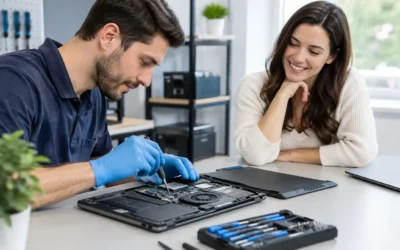
Workmanship matters too. Even a quality replacement part needs careful installation. A good repair process includes testing before the device is returned to you. The technician should confirm core functions related to the repair, such as display response, charging, audio, cameras, or wireless connectivity when applicable.
This does not mean a warranty covers every part of a used device. Phones, tablets, laptops, and smartwatches have many components, and an older device can develop a separate issue soon after a repair. The key question is whether the new problem is related to the part or service you paid for.
What Is Usually Not Covered
A repair warranty protects against covered defects. It is not insurance for new damage or every future failure. That distinction is especially important with devices that travel in pockets, backpacks, cars, classrooms, and job sites every day.
Most repair warranties do not cover:
- A new drop, cracked screen, bent frame, or other physical damage after pickup
- Liquid exposure or humidity damage that happens after the repair
- Damage caused by unauthorized repair attempts or altered parts
- Problems unrelated to the original repair, such as a failing motherboard after a screen replacement
- Normal wear, loss, theft, or software issues caused by a new update or third-party app
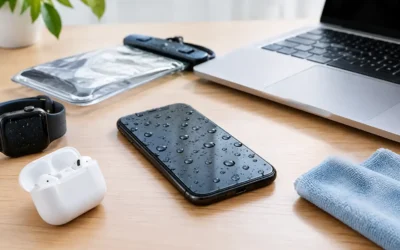
There can also be special limits for water-damaged devices. Moisture can corrode connectors and components long after the first exposure, even when the device turns on after treatment. A technician may be able to restore it, recover valuable data, or replace the affected part, but no honest shop can promise that hidden corrosion will never cause another failure.
The same is true for motherboard repairs and data recovery. These services can be highly effective, but they involve complex damage and components that may already be unstable. Ask for the specific warranty terms before authorizing work so you know what is realistic for your device.
Why the Type of Part Can Affect Coverage
Not every replacement part is the same. Depending on the device and repair, you may have a choice between genuine parts and high-quality aftermarket options. Both can be appropriate, but they can differ in price, availability, appearance, performance, and warranty conditions.
A genuine part is designed for the specific device manufacturer. It may be the right choice when preserving original specifications is your top priority. High-quality aftermarket parts can be a more cost-conscious option, especially when you need a fast repair and want to avoid replacing the entire device.
The best choice depends on your model, budget, and how you use the device. If you depend on your phone for work, school, maps, payments, and family communication, ask the technician to explain the available options in plain language. You should know what part is being installed and what warranty applies before the repair begins.
Ask These Questions Before You Approve a Repair
You do not need to be a tech expert to make a smart repair decision. A few direct questions can make the process much clearer.
First, ask how long the warranty lasts and whether it covers both parts and labor. Then ask whether the warranty applies only to the exact repair or to other device functions as well. If your device has prior damage, such as a bent frame, liquid exposure, or an unreliable charging port, ask how that condition could affect the result.
It is also worth asking what testing will be done before pickup. A quick screen replacement may take as little as 30 minutes to two hours depending on the model, but speed should not replace proper checks. You want to leave knowing the display, touch response, brightness, charging, speakers, microphones, and other relevant functions have been reviewed.
Finally, keep your receipt. It is the easiest way to document the date, device, repair performed, and warranty period if you need follow-up service.
What to Do If the Same Problem Comes Back
If the issue returns during the warranty period, contact the repair shop as soon as you notice it. Describe what is happening, when it started, and whether the device was dropped, exposed to liquid, or repaired elsewhere after your visit.
Bring the device in for an inspection rather than assuming the worst. A phone that will not charge may have a defective charging port repair, but it could also have debris in the cable, a damaged charging brick, a software issue, or an unrelated battery problem. A hands-on diagnostic helps separate a covered repair concern from a new issue.
Do not keep forcing the device to work if you notice overheating, swelling, flickering, repeated restarts, or signs of liquid damage. Power it down when possible and have it checked promptly. Catching a problem early can prevent a smaller repair from turning into data loss or motherboard damage.
A Warranty Should Feel Clear, Not Complicated
The best repair warranty is specific, easy to understand, and backed by a team that will inspect the device if something does not feel right. Be cautious of vague promises like “lifetime coverage” without clear limits. A shorter, clearly explained warranty can be more meaningful than a big claim filled with exclusions.
Before you hand over your phone, tablet, smartwatch, MacBook, laptop, or desktop, make sure you understand the repair plan, part options, turnaround time, price, and warranty. That way, you are not just getting your device fixed fast – you are getting a practical path back to calls, work files, class notes, photos, and the everyday tasks your technology handles for you.
When a repair is done carefully and the warranty is explained upfront, you can get back to using your device with far less guesswork.