A phone that drops from 30% to 2%, shuts down in the cold, or needs charging twice a day can make work, school, calls, and banking apps feel needlessly stressful. When it is time for a replacement, the choice often comes down to OEM versus aftermarket batteries. Both can be valid options, but they are not interchangeable in every situation.
The best battery is not automatically the most expensive one or the cheapest one. It is the one that fits your device correctly, performs reliably, comes from a trustworthy source, and makes sense for how long you plan to keep the device.
OEM Versus Aftermarket Batteries: What Changes?
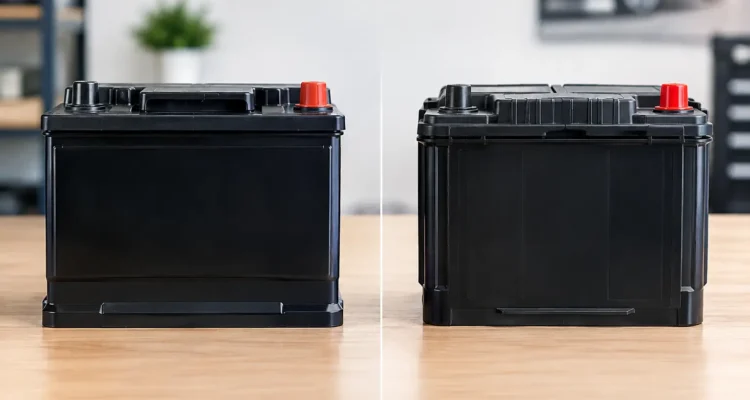
An OEM battery is made by, or made for, the original device manufacturer. OEM stands for original equipment manufacturer. In a perfect scenario, it is the same type of battery installed in your phone, tablet, smartwatch, or laptop when it was new.
An aftermarket battery is made by another manufacturer. It is designed to work with a specific device model but is not sold as the original brand part. Quality varies more widely in the aftermarket category. Some are built to high standards and tested carefully. Others may have inconsistent capacity, poor fit, or weak protection against overheating.
That difference is why the label alone does not tell the whole story. A genuine OEM battery may be the right call for a newer premium device, a device with strict parts verification, or a customer who wants the closest possible factory experience. A high-quality aftermarket battery can be a smart, budget-friendly choice for an older phone or a device you want to keep useful without spending close to replacement-device money.
Why OEM Batteries Appeal to Device Owners
OEM batteries are often chosen for predictability. They are designed around the device’s charging system, physical layout, power requirements, and software expectations. That can mean a more familiar battery-health reading, reliable fit, and fewer concerns about compatibility.
For certain devices, especially newer iPhones, Apple Watches, and some laptops, manufacturer software may recognize replacement parts and display a notice when it cannot verify them. A notification does not always mean the battery is unsafe or performing poorly, but it can affect battery-health reporting or create confusion for the owner. If maintaining original-part status is your priority, OEM may be worth the additional cost.
OEM batteries can also be the better option when your device is still relatively new, has a high resale value, or handles work you cannot afford to interrupt. If you intend to keep a recent-model phone for years, paying more upfront for an original part may be easier to justify.
Still, OEM does not mean every battery sold under that description is automatically new or authentic. Some parts advertised online may be used, refurbished, old inventory, or inaccurately labeled. The source and the installer matter just as much as the name on the listing.
When a Quality Aftermarket Battery Makes Sense
A quality aftermarket battery can deliver dependable daily use at a lower repair cost. This is especially helpful when a device is a few years old and replacing it would be much more expensive than restoring its battery life.
For example, if your older iPhone, Samsung phone, iPad, or laptop is otherwise working well, an aftermarket replacement can extend its useful life without turning a practical repair into a major expense. You can keep your photos, apps, settings, and familiar setup while avoiding the cost and hassle of shopping for a new device.
The key phrase is quality aftermarket. Good replacement batteries should be built for the correct model, use proper protection circuitry, and be tested before and after installation. A repair shop should be able to explain what type of part it is installing rather than using vague terms such as premium without any details.
At ProPhonez, customers can discuss genuine and high-quality aftermarket part options based on their device, budget, and repair goals. A clear recommendation should never feel like a guess. You deserve to know what is going into your device and why it is being recommended.
Price Is Only One Part of the Decision
The lowest battery quote can be tempting when your phone is barely making it through the afternoon. But battery replacement is not just about putting a new cell inside a device. The repair also requires careful disassembly, proper adhesive, safe handling, connection testing, charging checks, and reassembly that protects the screen, back housing, and internal cables.
A low-quality battery may initially appear to work fine but can bring problems later. It may lose capacity quickly, cause random shutdowns, get unusually warm while charging, fit poorly, or fail to communicate correctly with the device. In the worst cases, poorly made lithium-ion batteries can swell and place pressure on internal components.
A higher-quality aftermarket battery often sits in the middle ground: less expensive than OEM, but far more dependable than no-name parts with unclear origins. That is frequently the best value for people who need a reliable device now and want to avoid replacing it prematurely.
Battery Capacity Numbers Can Be Misleading
It is easy to see a listing that promises more milliamp-hours than the original battery and assume it will last longer. Be cautious. A capacity claim is useful only if the battery maker is accurately reporting it and the cell can maintain that capacity safely over time.
A battery with an unrealistic capacity claim may be poorly constructed or simply mislabeled. Your device’s power management system is designed around specific limits, and a battery that looks impressive on paper is not automatically a better choice.
Real-world performance depends on more than capacity. Screen brightness, cellular signal, background apps, gaming, video calls, operating system updates, and battery age all affect how long a charge lasts. A properly installed battery from a reliable source is more valuable than a flashy specification with no accountability behind it.
How to Tell When You Need a Battery Replacement
Battery problems are not always dramatic. Most devices gradually become harder to rely on, and people adjust by carrying a charger everywhere. A replacement may be worth considering if you notice several of these issues:
- Your battery percentage falls quickly even with light use.
- The device powers off before reaching 0%.
- Charging takes unusually long or stops at inconsistent percentages.
- The phone, tablet, or laptop gets hot during normal charging or use.
- The screen or back panel is lifting, which can indicate a swollen battery.
A swollen battery needs prompt attention. Do not press the screen or back panel down, puncture the device, or continue charging it to see if the problem improves. Turn it off if possible and have it inspected by a qualified technician.
The Installer Matters as Much as the Battery
Even an excellent battery can underperform if it is installed incorrectly. Modern devices are tightly built, with delicate screen cables, adhesives, seals, and small connectors packed into limited space. Rushing the repair can create new issues that were not there before.
A careful battery replacement starts with identifying the exact model and confirming that the battery is the actual cause of the problem. Sometimes fast drain comes from a damaged charging port, software issue, liquid damage, or an app that is constantly running in the background. On-the-spot diagnostics can prevent you from paying for the wrong repair.
After installation, the device should be tested for charging behavior, power stability, and basic function. If the repair requires removing a screen or back housing, the technician should also check that those components sit correctly when the device is reassembled. Ask about warranty coverage, because a shop that stands behind its work gives you a clearer path if an issue appears after the repair.
Which Battery Should You Choose?
Choose OEM when original-part compatibility, manufacturer recognition, resale value, or maximum confidence in factory specifications matters most to you. It can be the right investment for a newer device or one you plan to keep for a long time.
Choose high-quality aftermarket when you need a cost-conscious repair for an older device that still serves you well. It can restore dependable all-day use without pushing you toward an unnecessary device upgrade.
Either way, avoid making the decision based only on a low online price or an oversized capacity claim. Ask what part will be installed, whether it is appropriate for your exact model, how it will be tested, and what warranty is included. A good repair should give you fewer charging worries, not a new set of them.
If your device is making every day harder with unreliable battery life, getting it checked early can save you from a sudden shutdown at the worst possible moment.