Your phone is working again, the screen looks right, and you can finally answer messages without fighting a cracked display. That is when phone repair warranties matter most. A good warranty gives you a clear path forward if the replacement part or the repair itself does not hold up as expected.
It is not a promise that your phone can never be dropped, soaked, or damaged again. It is protection against a specific problem with the work you paid for. Knowing the difference helps you choose a repair shop with confidence and avoid surprises later.
What Phone Repair Warranties Actually Protect
A repair warranty generally covers defects related to the repair service. If a newly installed screen develops display issues under normal use, a replacement battery fails unusually early, or a repaired charging port stops functioning because of a part or installation issue, the repair shop should inspect the device and determine whether the repair is covered.
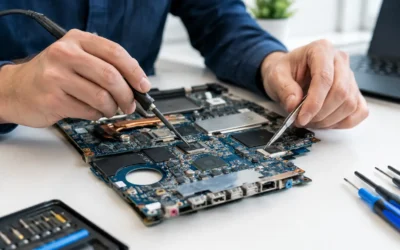
The exact coverage depends on the shop, the device, the part selected, and the type of repair. Screen, battery, charging port, speaker, camera, and back housing repairs are usually straightforward because the replaced component is easy to identify and test. Board-level repairs, liquid damage treatment, and data recovery are more complex. In those cases, a warranty may be more limited because corrosion and internal damage can continue to affect other components after service.
A warranty should also cover workmanship. A high-quality part can still cause trouble if it is installed incorrectly. If a screen is not seated properly, a battery connector is loose, or a device is not reassembled correctly, that is a repair-related issue, not normal wear and tear.
What a Warranty Usually Does Not Cover
Repair warranties have boundaries, and reputable shops should explain them before work starts. A warranty on a screen repair does not cover a new crack from another drop. A battery warranty does not cover damage caused by water exposure, a swollen battery caused by outside conditions, or a phone that has been opened or altered by someone else.
Most repair warranties also exclude unrelated failures. For example, if you replace a broken iPhone screen and the phone later develops a motherboard issue, the screen warranty will not automatically pay for motherboard work. The same applies when a phone already has hidden liquid damage, bent housing, or intermittent software issues that were not part of the original repair.
That does not make the warranty less valuable. It makes it specific. The purpose is to stand behind the repair you received, not to turn an older device into a fully insured replacement phone.
How Long Should a Repair Warranty Last?
There is no single industry-wide warranty period. Some shops offer a short warranty, while others provide coverage for several months or longer on selected parts. The right length depends partly on the repair. A screen or battery gets daily use, so you want enough time to test it in real life. Turn up the brightness, make calls, use the touchscreen across the whole display, charge the device, and check Face ID, fingerprint recognition, cameras, speakers, and microphones before assuming everything is perfect.
A 30-day warranty, such as the coverage offered by ProPhonez on qualifying repairs, gives you a practical window to identify a part or workmanship issue. It is especially useful for common same-day repairs where you need to get back to work, school, family messages, banking apps, and everything else stored on your device.
Longer is not always automatically better if the terms are vague. A clearly written 30-day warranty with a responsive local repair team can be more useful than a longer promise filled with exclusions or difficult claim requirements. Ask how the shop handles warranty concerns, not only how many days are listed on the receipt.
Questions to Ask Before You Approve a Repair
Before handing over your phone, get a clear answer on what the warranty covers and what happens if something goes wrong. You do not need technical expertise to ask the right questions.
Start with the part type. Is the repair using a genuine manufacturer part, an OEM-quality option, or a high-quality aftermarket part? Each choice can affect price, performance, available features, and warranty terms. For many customers, a quality aftermarket screen is a cost-conscious fix that restores dependable everyday use. For others, especially those concerned about display calibration or manufacturer-specific features, a genuine part may be the better fit.
Then ask whether the warranty covers both the replacement part and labor. Confirm the start date, how you should report an issue, and whether you need to keep your receipt. If your device has water damage, prior repair history, frame damage, or a battery swelling concern, ask whether those conditions limit coverage.
A trustworthy shop will not rush past these questions. They will explain what they see during the diagnostic, give you realistic expectations, and tell you if repairing the device is not the most economical option.
The Difference Between a Repair Warranty and Manufacturer Coverage
A repair-shop warranty and a manufacturer warranty are not the same thing. Manufacturer coverage applies to the original product under the manufacturer’s own terms. Third-party repairs can sometimes affect manufacturer coverage, particularly when a device is still under a protection plan or when a non-manufacturer part is installed.
That does not mean an independent repair is the wrong decision. If your phone is out of manufacturer coverage, has a cracked screen, weak battery, damaged back glass, or a charging issue, repair can cost far less than replacing the entire device. The trade-off is simply worth understanding before you choose a part or approve the work.
For newer phones, ask about the impact on features such as biometric login, display messages, camera calibration, water resistance, or diagnostic notifications. A skilled technician should explain what can be restored, what may remain limited, and what depends on your particular model.
Why Water Damage Needs Different Expectations
Water-damaged devices deserve special attention because the visible problem is often only part of the story. A phone may turn on after exposure, then fail days later as corrosion spreads across connectors or the motherboard. Cleaning, inspection, and targeted component repair can greatly improve the chances of saving the device or recovering important data, but no technician can honestly promise that every affected component will remain stable.
For that reason, warranties on liquid-damage work may be narrower than those for a screen or battery replacement. The repair shop is standing behind the work performed, but cannot control corrosion that existed before service or damage that develops in an unrelated section of the board.
If your device gets wet, power it off if possible and bring it in quickly. Do not charge it, keep pressing buttons, or rely on rice. Fast diagnostics give a technician a better chance to limit damage and protect the information you need.
How to Protect Your Warranty After the Repair
Once the repair is complete, use the device normally but pay attention during the first few days. Test charging with a known-good cable and adapter, make a call, record a voice memo, try the front and rear cameras, and use the screen near every edge. If anything feels off, contact the repair shop promptly instead of waiting until the warranty period is almost over.
Keep the repair receipt and avoid taking the device apart or allowing another shop to work on the same component before the original shop has a chance to inspect it. If you need to return with an issue, explain when it started and whether the phone experienced a drop, liquid exposure, or another event afterward. Clear information helps the technician diagnose the real cause faster.
A case and screen protector are also simple investments after a screen or back-glass repair. They cannot prevent every accident, but they can reduce the chance that a small slip turns into another major repair.
A Warranty Is a Sign of Accountability
The best repair experience is not just a fast screen replacement or a phone that powers on again. It is knowing the shop tested the device, explained the part options, and will be there if the repair itself needs attention. Read the warranty before you approve the work, ask direct questions, and choose a repair team that treats your device like the essential part of your day that it is.